Techniques · 8 min read
Sapphire FUE or DHI? Which technique suits you
Choosing a technique is not a matter of fashion but a decision specific to the case. Here are the real differences between the two methods.
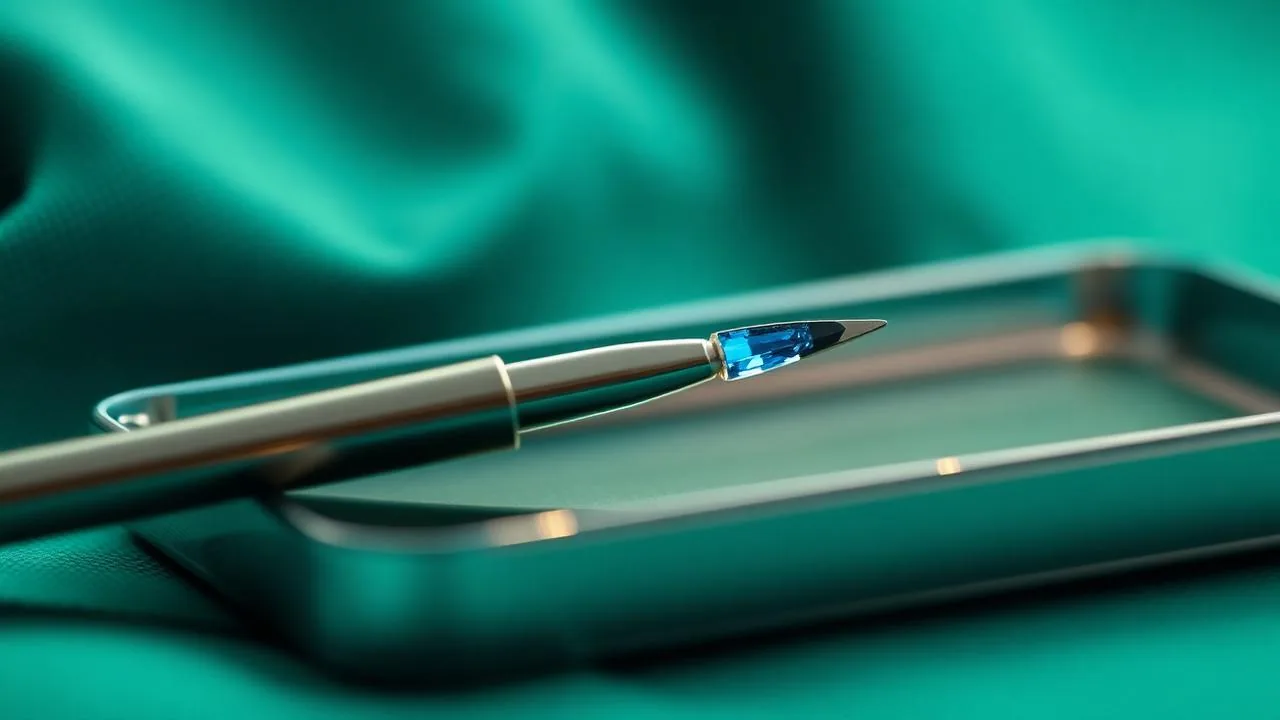
Sapphire FUE and DHI are the two most discussed methods in hair transplantation. Both rest on harvesting follicular units one by one; the difference lies in how the grafts are placed.
At our clinic the technique is chosen according to the width of the area, whether existing hair is present, hair calibre and the patient's plan for returning to social life.
How Sapphire FUE is performed
In Sapphire FUE, grafts are harvested with a micromotor and micro channels are then opened with sapphire (corundum) tipped blades, into which the grafts are placed. The cutting geometry of a sapphire tip leaves a finer slit than a steel one, which reduces tissue trauma, swelling and crusting.
Because the angle, direction and density of the channels are set at this stage, Sapphire FUE is a strong method for achieving high density over a wide area.
- A high graft count in a single session
- Even density across wide areas of loss
- Surgical control of the channel angle
How DHI (Choi implanter) is performed
In DHI, opening the channel and placing the graft are done in a single movement with a Choi implanter pen. The graft spends less time outside the body, and placement can be made between existing hairs without damaging them.
That is why DHI comes to the fore in densification, hairline design, no-shave procedures for women patients, and beard and moustache transplantation.
- The option of a no-shave or partially shaved procedure
- Safe placement between existing hairs
- Precise angle control at the hairline
Which one, and when?
In the Norwood 4–6 range, where a wide area has to be covered in one session, Sapphire FUE is usually more efficient. DHI comes to the fore in patients who want to densify a limited area, redesign the hairline, or have the procedure without cutting their hair.
In practice a hybrid approach is used in many cases: the hairline with DHI, density at the back completed with Sapphire FUE. The aim is not to sell a technique but to optimise the result.
The difference in recovery and comfort
With both techniques, tenderness and mild swelling can occur in the first three days. With DHI there is less bleeding because the channel and graft are placed at the same moment; with Sapphire FUE the micro channels close quickly and the crusts have fully shed by day 10.
Return to social life averages 10–14 days with either method; with no-shave DHI it can come down to a few days.
Why is there a price difference?
DHI takes longer, needs more consumables (Choi pen tips) and a larger team. For the same graft count DHI is therefore usually more expensive. When weighing that difference, judge it not by the technique but by the result that technique would produce in your case.
Frequently asked questions
Does DHI look more natural?
Naturalness depends on hairline design and channel angle, not on the technique. Correctly performed, Sapphire FUE and DHI show no visible difference in naturalness at month twelve.
Can the two be combined?
Yes. In wide cases we often use hybrid plans: the hairline with DHI and the area behind it with Sapphire FUE.
All articles
Planning
How is the graft count decided in a hair transplant?
"How many grafts do I need?" has no single correct answer. Donor capacity, the degree of loss and the density you are aiming at are calculated together.
Planning
Cheap hair transplants: what is cut when the price falls?
Most of the cost of a hair transplant is team time, consumables and sterile conditions. Those are fixed — so when the price falls, something is being cut.
Recovery
Shock loss: when it starts and when it ends
The transplanted hairs shedding is not a failure but an expected stage. Knowing why it happens removes the unnecessary panic of month three.
Free remote assessment, no obligation.
Book a consultation